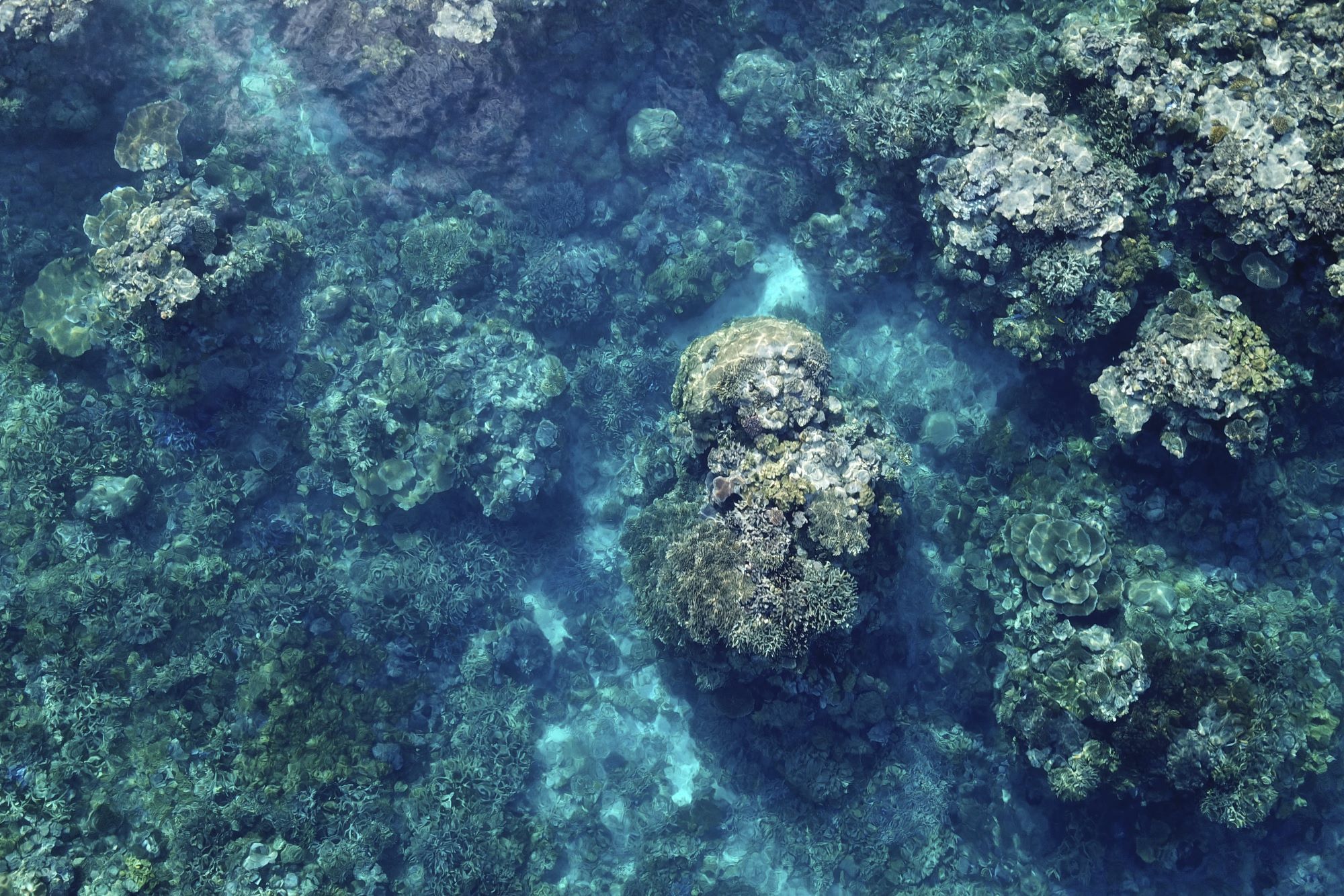
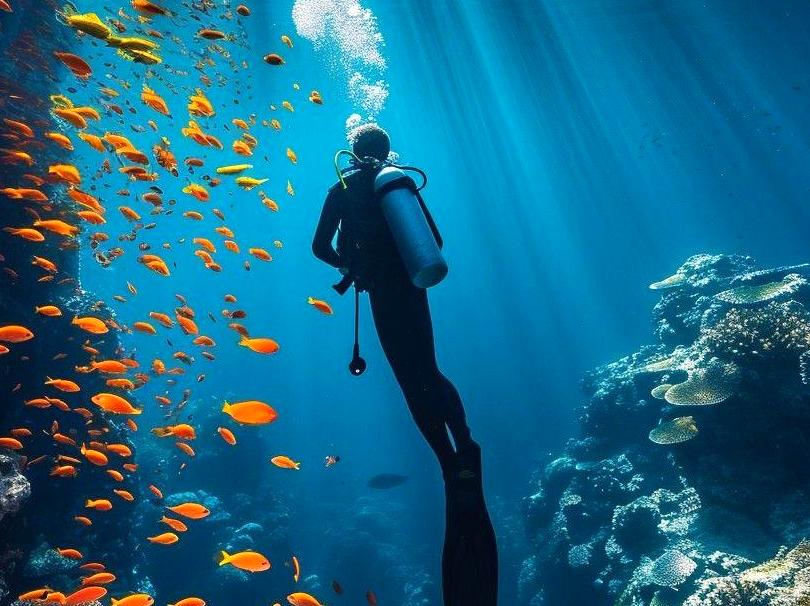
The Moore Reef Margin is a fascinating underwater ecosystem located within the Great Barrier Reef, exhibiting unique geological formations and rich marine biodiversity. This article delves into the characteristics, significance, and ecological aspects of the Moore Reef Margin, shedding light on its importance to both marine life and conservation efforts. Understanding the margin of Moore Reef not only reveals the beauty of coral reefs but also underscores their vulnerability to climate change and human impact.
Contents
Understanding the Moore Reef Margin
The Moore Reef Margin serves as the transition area between the deeper parts of the reef and the shallow waters, creating a distinctive environment where various marine species thrive. One of the key features of the margin is its structure, which includes both hard and soft corals, as well as rocky ledges. This biodiversity hotspot is not merely a scenic view; it plays a crucial role in the life cycles of many marine organisms.
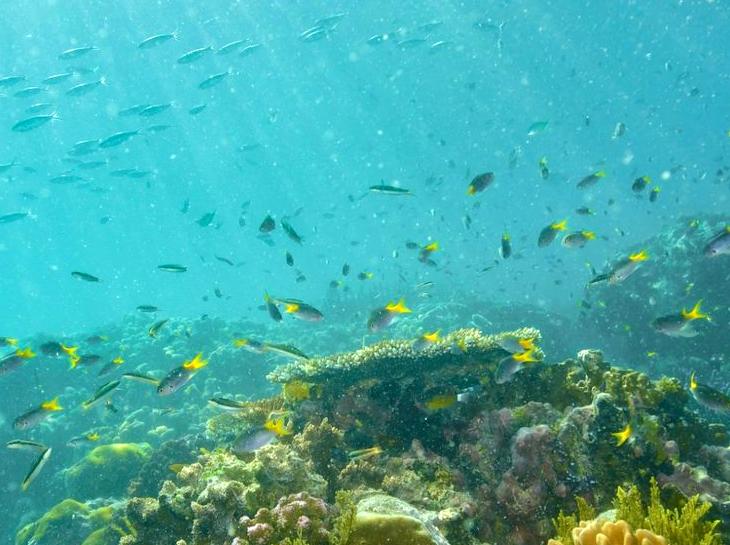
Within this margin, the intricate food web is supported by a myriad of species including algae, fish, and invertebrates which provide essential nutrients to the ecosystem. Many species of fish utilize the margins for breeding, feeding, and shelter, making this area vital for their survival. Coral species, such as Acropora, dominate the margin, showcasing vibrant colors and complex shapes.
Additionally, the varying depths of the Moore Reef Margin create microhabitats that support a diversity of life, from shallow tidal zones to darker, deeper regions. Such structural complexity enhances species richness by allowing organisms with different ecological needs to coexist. The balance within this ecosystem is delicate, making the Moore Reef Margin an area of significant ecological importance.
The Ecological Significance of the Margin
The Moore Reef Margin is not just an area of beauty; it also plays a significant role in larger ecological processes. Firstly, the margin contributes to biological productivity by supporting healthy algal growth, which provides food for herbivores like parrotfish and sea turtles. These herbivores, in turn, are essential in preventing the overgrowth of algae, thereby maintaining the balance within the coral community.
Secondly, the margin acts as a nursery area for juvenile fish species, providing safe habitats where they can grow and develop. Such areas are critical for sustaining fish populations that are vital for both the marine ecosystem and human fisheries. The biodiversity found within this margin is key to resilience against environmental changes, enabling marine life to adapt and survive various stresses.
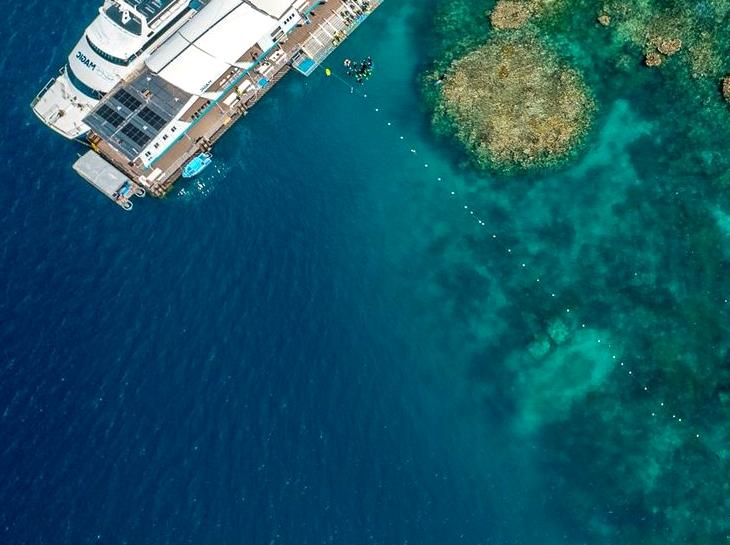
Moreover, the Moore Reef Margin acts as a buffer against the impacts of oceanographic changes. The structural complexity helps reduce wave energy, protecting more vulnerable areas of the reef from physical damage and erosion. This function becomes increasingly important in the face of rising sea levels and increasing storm frequencies attributed to climate change.
Conservation efforts aimed at protecting the Moore Reef and its margins are vital for sustaining these ecological functions. Understanding the interconnectedness of organisms within this ecosystem is essential for formulating effective management strategies. Engaging local communities in conservation steps will serve as a proactive measure to safeguard the biodiversity of the Moore Reef Margin.
Biodiversity Found in Moore Reef Margin
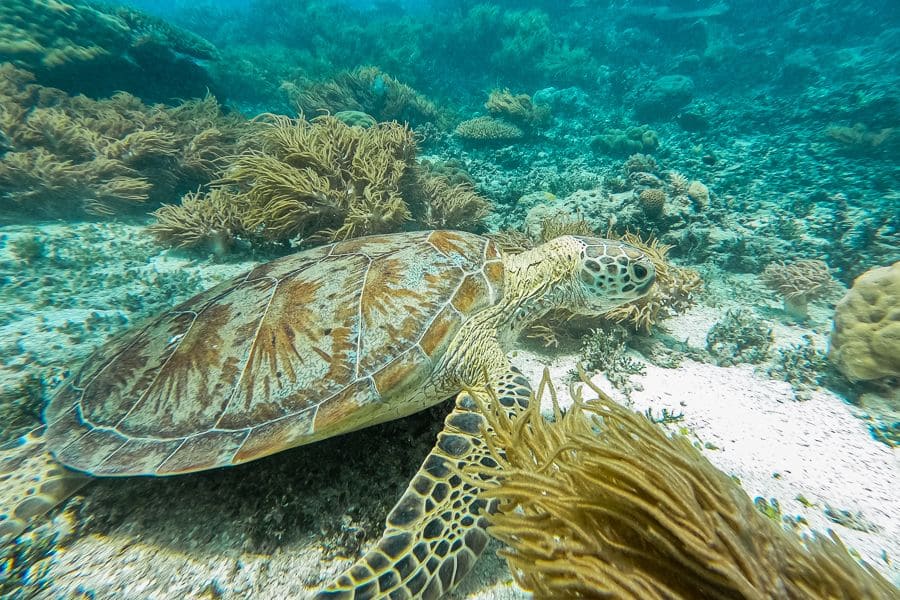
The biodiversity within the Moore Reef Margin is a testament to the richness of marine life in the Great Barrier Reef. Here, myriad species coexist, contributing to a dynamic ecosystem characterized by vibrant colors and diverse forms. The following are key groups of organisms commonly found in this margin:
-
- Corals: Various species of hard and soft corals, including stony corals such as Acropora and Porites.
- Fish: An array of fish species, including clownfish, wrasses, and butterflyfish, many of which rely on coral for shelter.
- Invertebrates: Creatures such as sea urchins, starfish, and anemones, which enhance the ecological balance.
- Algae: Various forms of algae that serve as food sources and contribute to the overall health of the reef.
Each group of organisms plays a unique role in maintaining the ecosystem’s stability. The health of the Moore Reef Margin directly impacts the viability of these populations; thus, monitoring changes in biodiversity is crucial for conservation. Every organism, no matter how small, contributes to the overall health and resilience of this rich marine environment.
Given the rising threats of climate change, pollution, and overfishing, there is an urgent need to protect these biodiversity hotspots. Effective management and conservation strategies that include protecting the Moore Reef Margin could prevent the loss of species and habitats, ensuring that this underwater paradise remains a thriving ecosystem for generations to come.
Threats to Moore Reef Margin
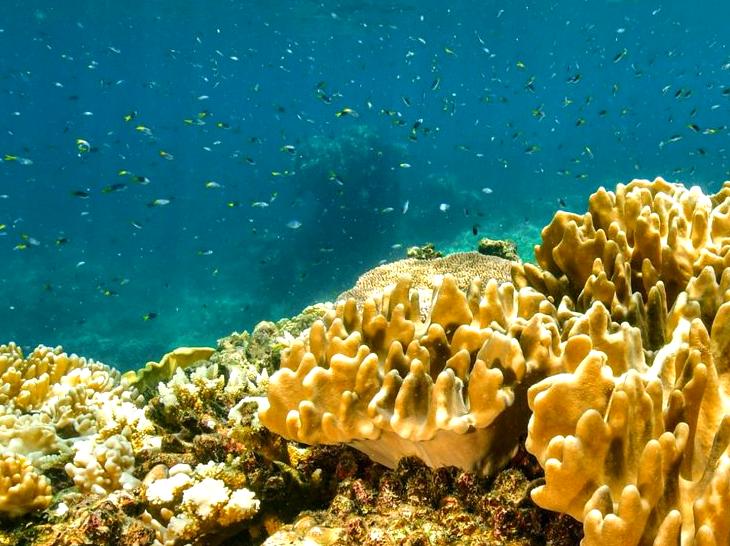
Despite its ecological importance, the Moore Reef Margin faces a multitude of threats stemming from both natural and anthropogenic factors. Rising sea temperatures, a direct consequence of global climate change, lead to coral bleaching, which jeopardizes the health of the entire ecosystem. Bleached corals struggle to survive, resulting in reduced biodiversity and the collapse of marine habitats.
Additionally, increasing ocean acidification affects coral calcification processes, making it difficult for corals to build and maintain their structures. The implications of this are dire; a weakened reef means less shelter and food for countless marine species. The survival of certain fish populations and other marine organisms increasingly hangs in the balance as the conditions of their habitats deteriorate.
Furthermore, human activities, such as overfishing, coastal development, and pollution, pose grave threats to the Moore Reef Margin. Overfishing depletes key species that help maintain the balance within the reef ecosystem. Pollution from agricultural runoff and urban development can lead to nutrient loading and algal blooms that suffocate corals and disrupt marine life.
To combat these threats, concerted efforts are required to implement effective management and conservation practices. Collaborative initiatives involving local communities, governmental bodies, and research institutions can provide the needed framework to safeguard the Moore Reef Margin. These efforts will not only benefit marine life but also enhance the resilience of the ecosystem against future changes.
Conclusion
The Moore Reef Margin is a vital ecological zone that supports a vast array of marine life and plays an essential role in maintaining the overall health of the Great Barrier Reef. With its diverse habitats, this margin is critical for the breeding, feeding, and sheltering of a multitude of species, underscoring the need for focused conservation efforts. As we continue to face pressing environmental challenges, understanding and protecting areas like the Moore Reef Margin becomes increasingly crucial.
Collective actions aimed at conservation and sustainable practices will ensure that the rich biodiversity and ecological functions of the Moore Reef Margin can thrive, paving the way for a resilient marine future. Awareness, education, and responsible management will play pivotal roles in ensuring the survival of this unique underwater ecosystem for future generations.
FAQs
The Moore Reef Margin is significant due to its diverse habitats that support various marine species, creating a vibrant food web and ensuring the balance of the ecosystem.
2. How does climate change affect the Moore Reef Margin?
Climate change contributes to rising sea temperatures and ocean acidification, leading to coral bleaching and compromising the health of the marine ecosystem.
3. What threats do human activities pose to the Moore Reef Margin?
Human activities such as overfishing, pollution, and coastal development threaten the biodiversity and structural integrity of the Moore Reef Margin.
4. What species can be found in the Moore Reef Margin?
Common species in the Moore Reef Margin include various corals, fish (like clownfish and butterflyfish), sea urchins, starfish, and different types of algae.
5. How can we help protect the Moore Reef Margin?
Protecting the Moore Reef Margin can be achieved through responsible tourism, supporting sustainable fishing practices, and engaging in local conservation efforts to raise awareness about the importance of marine ecosystems.